Hindu Hair Cutting Ceremony | Chudakarana Samskara Childhood Transformation
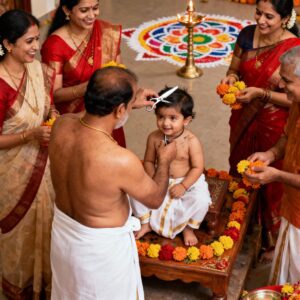
Hindu Hair Cutting Ceremony | Chudakarana Samskara Complete Guide
Hindu hair cutting ceremony, known as Chudakarana Samskara, represents one of the most significant childhood rituals in Hindu tradition. The “hair removal ceremony” marks the child’s symbolic transition from infancy toward conscious awareness and spiritual development. Typically performed between ages one and three, this ancient ritual carries profound spiritual significance for families honoring ancestral traditions. This comprehensive guide explains the meaning, procedures, and contemporary significance of the Hindu hair cutting ceremony for modern families.
Understanding Hindu Hair Cutting Ceremony
What Is Chudakarana Samskara?
Chudakarana Samskara represents a sacred childhood rite of passage in Hindu tradition. The ceremonial removal of the child’s birth hair—believed to carry remnants of previous life impressions—prepares the child spiritually for the conscious journey ahead. Rather than merely hygienic practice, the Hindu hair cutting ceremony represents spiritual purification and awakening of latent consciousness within the child.
Hindu philosophy understands that each individual carries impressions from previous lives. Birth hair, collected during intrauterine development, carries these subtle impressions. The ceremonial removal during the Hindu hair cutting ceremony symbolizes cleansing of karmic residues, enabling the child to begin conscious development unburdened by accumulated past patterns.
Spiritual Significance of Hindu Hair Cutting Ceremony
This ceremony serves multiple profound purposes within Hindu tradition:
Removal of Accumulated Impressions – Hindu philosophy teaches that each individual carries impressions (samskaras) from previous lives. The Hindu hair cutting ceremony removes birth hair carrying these subtle impressions, symbolizing spiritual cleansing. The new hair growing afterward represents a fresh beginning and clean slate for conscious development.
Transition from Infancy to Awareness – The ceremony marks the child’s developmental shift from purely instinctive infancy toward emerging consciousness and self-awareness. It acknowledges this maturation while invoking divine blessings supporting healthy psychological and spiritual development.
Formal Community Recognition – Through the Hindu hair cutting ceremony, the child is formally introduced to the community as a developing individual rather than merely a helpless infant. The ritual creates space for collective blessing and intention supporting the child’s growth toward responsible adulthood.
Traditional Hindu Hair Cutting Ceremony Procedures
Auspicious Timing for Hindu Hair Cutting Ceremony
The optimal timing is determined through astrological consultation considering:
Child’s birth chart analysis
Lunar calendar positions
Planetary movements
Traditional Nakshatra (birth star) considerations
This astrological precision ensures the Hindu hair cutting ceremony occurs during genuinely auspicious cosmic conditions supporting the child’s spiritual development.
Step-by-Step Process for Hindu Hair Cutting Ceremony
The ceremony follows traditional ritualistic procedures:
Temple or Home Setup – The ritual typically occurs in a temple environment or home altar appropriately prepared. Sacred fire is established (or represented according to tradition), and the space is sanctified before the Hindu hair cutting ceremony begins.
Purification Rituals – Initial purification ceremonies establish sacred space and invoke divine blessings. The priest performs cleansing rituals preceding the main ceremony.
Hair Removal – The priest ceremonially removes a portion of the child’s hair while reciting specific mantras. In some traditions, hair removal for the Hindu hair cutting ceremony occurs near a sacred river or water source, enhancing the spiritual power of the ritual.
Sacred Paste Application – An auspicious paste (typically made from sacred herbs and minerals) is applied to the child’s head following traditional methods specific to each regional variation.
Mantras and Prayers – Throughout the process, specific mantras are recited invoking protective deities and spiritual principles supporting the child’s development. The priest chants these sacred invocations during the entire ceremony.
Family Blessings – Family members offer blessings to the child, establishing collective intention for healthy growth and completing the formal rituals of the hair cutting ceremony.
Post-Ceremony Practices Following Hindu Hair Cutting Ceremony
Traditional observances include:
Child’s head remains uncovered for a specific period allowing new hair to grow
Special dietary considerations supporting healthy hair growth
Continued spiritual attention and protective practices
Regional Traditions of Hindu Hair Cutting Ceremony
Different Hindu communities observe this ritual with distinct regional variations:
South Indian Traditions – South Indian practices often emphasize temple environment, specific deity blessings, and particular mantras from regional tradition. These communities maintain specific Vedic procedures for the Hindu hair cutting ceremony particular to Tamil, Telugu, Kannada, and Malayalam traditions.
North Indian Traditions – North Indian variations may involve specific priest lineages, particular ritual procedures, and regional customization. North Indian approaches to the Hindu hair cutting ceremony often emphasize specific mantra sequences and priestly lineages.
Gujarati and Other Regional Variations – Each regional tradition maintains specific procedures honoring ancestral approaches while preserving core spiritual principles. Gujarat, Punjab, and other regions maintain their own community practices for the Hindu hair cutting ceremony.
A qualified priest guides families through procedures appropriate to their specific tradition during the Hindu hair cutting ceremony.
Contemporary Hair Cutting Ceremony Practice
Modern Significance of Hair Cutting Ceremony
Modern Hindu families particularly in diaspora contexts increasingly reclaim the hair cutting ceremony traditions despite practical challenges. This ceremony provides:
Spiritual Foundation – Conscious marking of childhood development
Cultural Connection – Direct link to ancestral practices
Community Participation – Family and friends’ collective blessing
Psychological Benefit – Ritual marking supporting child’s sense of belonging
Spiritual Protection – Invocation of divine guidance for the child’s development
How to Arrange Your Hindu Hair Cutting Ceremony
Timing Consultation – Connect with a qualified priest or astrologer for astrological timing analysis. The optimal date for your hair cutting ceremony considers the child’s birth chart and cosmic conditions.
Tradition Specification – Clarify your family’s specific tradition ensuring the priest performs the Hindu hair cutting ceremony according to your customary procedures and regional variations.
Venue Preparation – Coordinate with temple or home altar preparation. Discuss necessary arrangements with your priest for the hair cutting ceremony.
Family Participation – Gather family members for collective blessing and support. Consider inviting significant people from the child’s life to participate in the Hindu hair cutting ceremony.
Priest Coordination – Professional priest guidance ensures the hair cutting ceremony maintains Vedic authenticity while accommodating family preferences and modern circumstances.
Frequently Asked Questions About Hair Cutting Ceremony
At What Age Should Hindu Hair Cutting Ceremony Be Performed?
The ceremony is traditionally performed between ages one and three. However, regional traditions may suggest different optimal ages. Consult your priest regarding the ideal timing for your child’s Hindu hair cutting ceremony.
How Long Does Hair Cutting Ceremony Take?
A complete ceremony typically requires 2-3 hours. Duration of the Hindu hair cutting ceremony varies based on specific rituals, priest preferences, and regional tradition variations.
What Is the Cost of Hair Cutting Ceremony?
Costs for the ceremony vary significantly based on:
Geographic location
Priest dakshina (offering)
Venue costs
Celebration scale
Regional tradition variations
Budget approximately 500-2000 euros for comprehensive ceremony in European locations.
What Happens to the Hair After Hair Cutting Ceremony?
Traditionally, the removed hair is preserved or disposed of respectfully. Many families save the hair from the Hindu hair cutting ceremony in family records. Some traditions involve releasing it near sacred rivers or burying it respectfully.
Is a Priest Required for Hair Cutting Ceremony?
Yes, a qualified pandit is essential for authentic Hindu hair cutting ceremony practice. The priest conducts proper mantras, timing, and procedures ensuring spiritual authenticity according to your family tradition.
Can Non-Family Members Perform Hair Cutting Ceremony?
While family participation is traditional, the priest (pandit) conducts the actual Hindu hair cutting ceremony rituals. Family members participate through blessings and support, but the priest performs the core procedures.
What Should the Child Wear for Hair Cutting Ceremony?
Traditional dress for the Hindu hair cutting ceremony varies by region and tradition. Generally, children wear simple, auspicious clothing. The priest can recommend specific dress based on your family tradition.
Expert Hair Cutting Ceremony Services
Sahadev Pandit specializes in conducting authentic ceremonies for families across Europe. With 16+ years of expertise, Sahadev Pandit ensures your Hindu hair cutting ceremony honors your family’s spiritual traditions while accommodating modern circumstances.
Sahadev Pandit guides families through complete ceremony coordination—from astrological timing consultation to post-ceremony celebrations. Whether planning in Austria, France, or anywhere across Europe, expert services maintain authentic procedures specific to your tradition for the Hindu hair cutting ceremony.
Contact Sahadev Pandit here to schedule your child’s Hindu hair cutting ceremony.
Conclusion
The Chudakarana represents an important marking of childhood development, honoring both the child’s emerging consciousness and the family’s role in supporting healthy spiritual growth. The Chudakarana Samskara the traditional Hindu hair cutting ceremony—connects modern children to ancestral traditions while invoking divine blessings for their development. When your child approaches the appropriate age, arrange this transformative Hindu hair cutting ceremony connecting them to their spiritual heritage while supporting their conscious development into responsible, spiritually grounded adults.
Plan your Hindu hair cutting ceremony with guidance from experienced practitioners who understand how to honor this ancient tradition within contemporary family contexts.
Authoritative Academic Sources
Britannica Resources
https://www.britannica.com/topic/Veda
https://www.britannica.com/topic/Dharma-shastra
https://www.britannica.com/topic/Sanskrit-language
https://www.britannica.com/biography/Panini-Indian-grammarian
https://www.britannica.com/topic/Hinduism/Practice
https://www.britannica.com/topic/Advaita-school-of-Hindu-philosophy
https://www.britannica.com/topic/Vedic-religion
Stanford Encyclopedia
https://plato.stanford.edu/entries/logic-india/
https://plato.stanford.edu/entries/god-ultimates/
Academic Journals & Databases
https://jstor.org
https://pdcnet.org
https://ijhp.bgrfuk.org
Oxford Centre for Hindu Studies
https://ochs.org.uk
https://ochsonline.org
Government & Archive Resources
Research Papers
https://papers.ssrn.com
Educational Institutions
https://vedanet.com
https://vedicscience.net
https://bhishmaiks.org
https://vedicwellnessuniversity.com
Additional Academic Resources
https://ijnrd.org
https://takshila.org.in
https://wisdomlib.org
https://cambridge.org
https://academic.oup.com
https://pmc.ncbi.nlm.nih.gov
Internal Resources
Visit our comprehensive guide to Vedic rituals and their significance at https://austriaviennapuja.com/vedic-rituals-europe.
Explore our guide to regional wedding variations at https://austriaviennapuja.com/regional-wedding-traditions.
Learn about Muhurat calculation and Vedic astrology at https://austriaviennapuja.com/muhurat-calculation-services.
Discover the meaning and significance of sacred mantras at https://austriaviennapuja.com/sacred-mantras-explanation.